History
From its earliest days, the School demonstrated a progressive spirit by welcoming both boys and girls and offering a practical curriculum that equipped young people for the world ahead. As enrolments grew, so too did the School’s identity, shaped by influential leaders and a community deeply invested in education.
During the late nineteenth century, Pulteney transitioned to independent status, marking the beginning of its longstanding position among South Australia’s respected independent schools. The early decades of the twentieth century presented great challenges, with global conflicts claiming the lives of more than 130 Old Scholars. Under the steady leadership of Headmaster William Nicholls, the School moved from Pulteney Street to South Terrace and adopted the name Pulteney Grammar School. It was during this period that the values of resilience, service and unity became firmly embedded in the School’s character.
The mid to late twentieth century saw significant growth and modernisation. Visionary leaders such as Canon Ray and Jock Mackinnon introduced new facilities, enhanced academic programs and revitalised the School community. These developments were supported by an active Old Scholars’ Association, which has played an important role in school life since its establishment in 1898. Old Scholars have contributed to the School’s governance, supported major initiatives, and maintained a strong spirit of connection across generations.
Pulteney’s traditions are also enriched by its relationship with the Queen’s Old Boys Association. When Queen’s College closed in 1949, many students transferred to Pulteney, and the tradition of fellowship continued through regular luncheons and the Queen’s War Memorial Scholarship. The Queen’s Room in Wheaton House preserves photographs, memorabilia, and records that honour this shared heritage.
A significant milestone in Pulteney’s evolution came in 1999 with the return to coeducation. Seventy girls joined the School that year, restoring the inclusive origins of Pulteney’s founding. At the same time, the School embraced new technologies, signaling a shift toward innovative learning.
Today, Pulteney Grammar School stands as one of Adelaide’s oldest independent schools, proud of its heritage. Its traditions live on in the strong relationships between students and staff, the active engagement of Old Scholars, the preservation of archives and memorabilia, and a continued commitment to service, learning, and community.
While much has changed since that small schoolhouse opened on Pulteney Street, the heart of Pulteney remains the same. That is a belief in providing an education that is personal and purposeful. The School’s rich history continues to inspire every student who walks through its doors today.
The original trustees appointed by the Church of England, met in May 1847 to establish a school for the children of Adelaide. After 12 months of planning, on Monday, May 29, 1848, Pulteney Street School opened its doors. Although it was a foundation of the Church of England families of all faiths and denominations were welcomed. Town Acre No 228 at the corner of Pulteney and Flinders Streets was purchased and a school building was erected immediately north of the present St Paul’s Creative Centre. At the end of the first week there were 50 names on the roll and by December, there were a total of 270 enrolments.
Since those humble beginnings, the School has expanded in good times and contracted in times of depression or administrative uncertainty. Of the 22 Principals, some have guided the School’s destiny for many years (W S Moore, 24 years, W P Nicholls, 41, and W R Ray, 26) while others have been in charge for as little as three months. Through it all, on three different sites, Pulteney has prospered and earned its place among the top schools of South Australia.
Explore Pulteney's diverse history
Appreciation of diversity
Importance of the individual
High respect for intellectual endeavour
Commitment to tradition and dignity within school life
Sense of social responsibility
Anglican tradition
The Archives
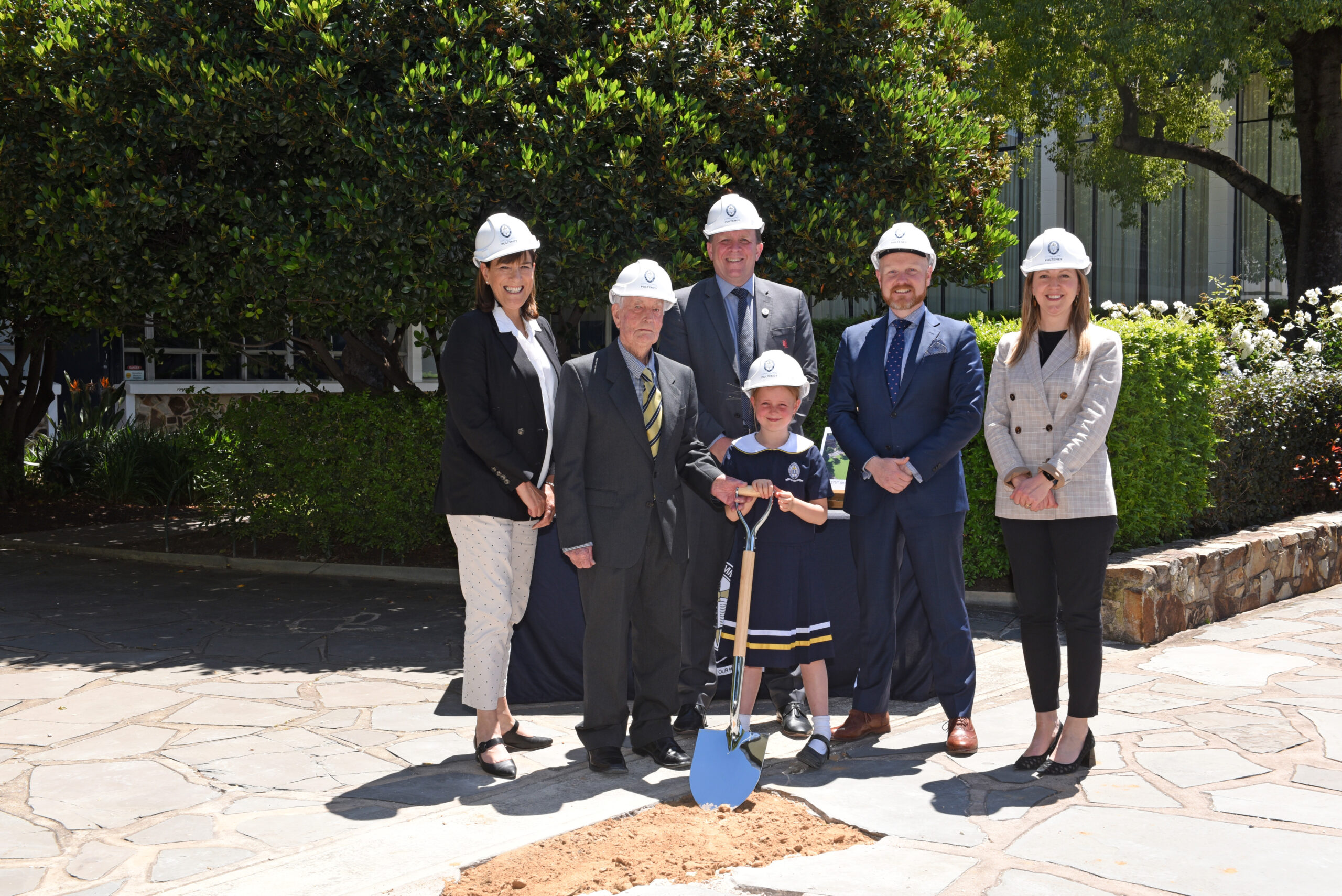
On Monday 1 November, Pulteney’s current oldest Old Scholar Mr Colin Wagener (1933), and third generation Pulteney Grammarian Ali Smit (Year 2) (mother Catherine (2000), grandfather David (1967)) joined Chairman of the Board of Directors Allen Candy, Principal Cameron Bacholer and Deputy Principals Deb Dalwood and Katherine Adnett, to commemorate the ‘turning of the sod’ of what will be the most significant legacy project from Pulteney’s anniversary in 2022, the 175th Anniversary Quadrangle Redevelopment Project.
On this day, initial works commenced on the refurbishment of Ray Wing North as the new staff common room replacing what was previously housed upstairs in the Nicholls Building until 2020; to be followed in due course by the landscaping of the Quadrangle.
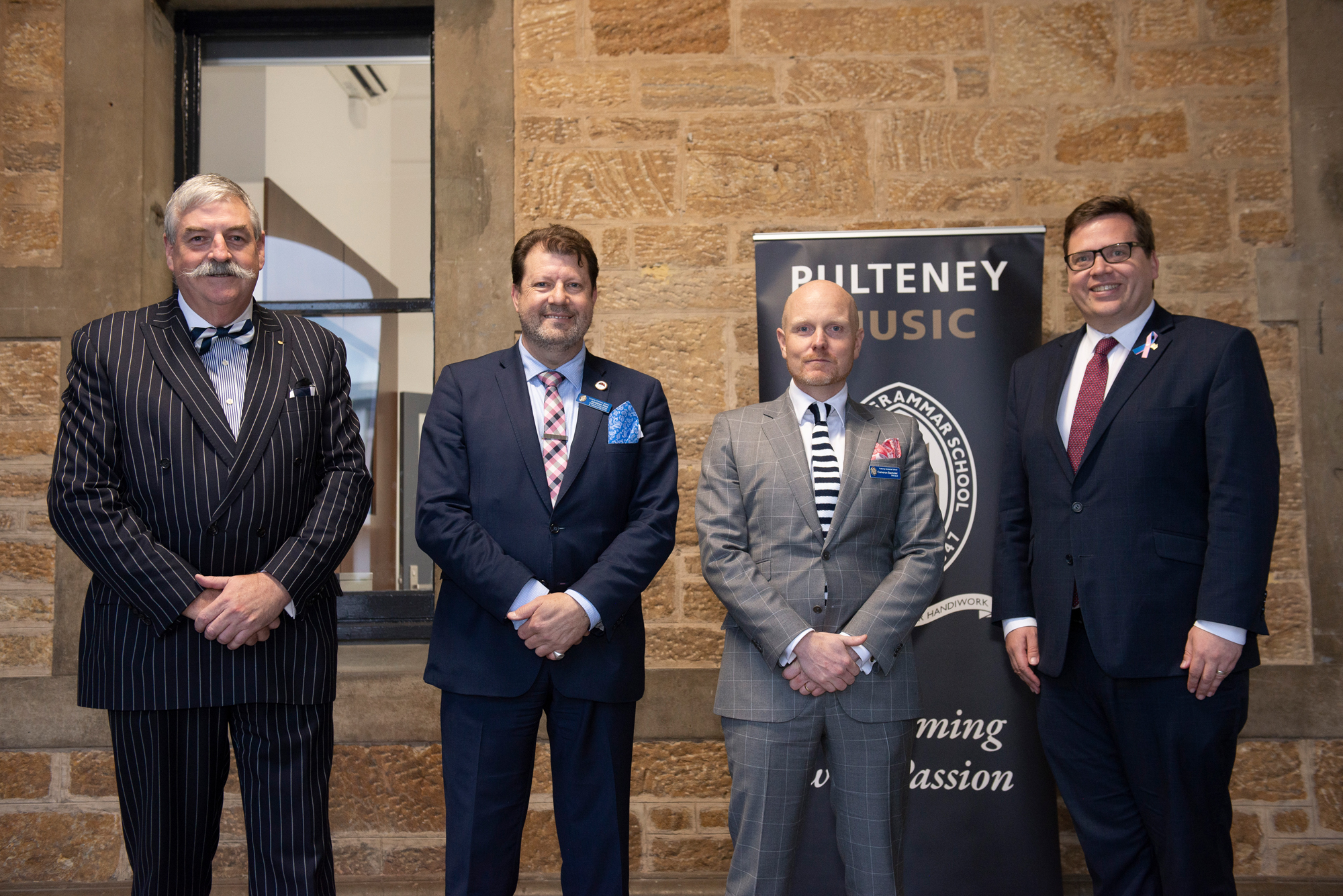
On Thursday 15 October, the much anticipated, Nicholls Performing Arts Centre was opened with some fanfare. A small but enthusiastic crowd gathered to witness the rebirth of the Nicholls Building, once again re-imagined as it has been before since it’s inception in 1920. Principal, Cameron Bacholer, spoke about the importance of Performing Arts educational programs and opportunities for our students in the past, today and into the decades ahead.
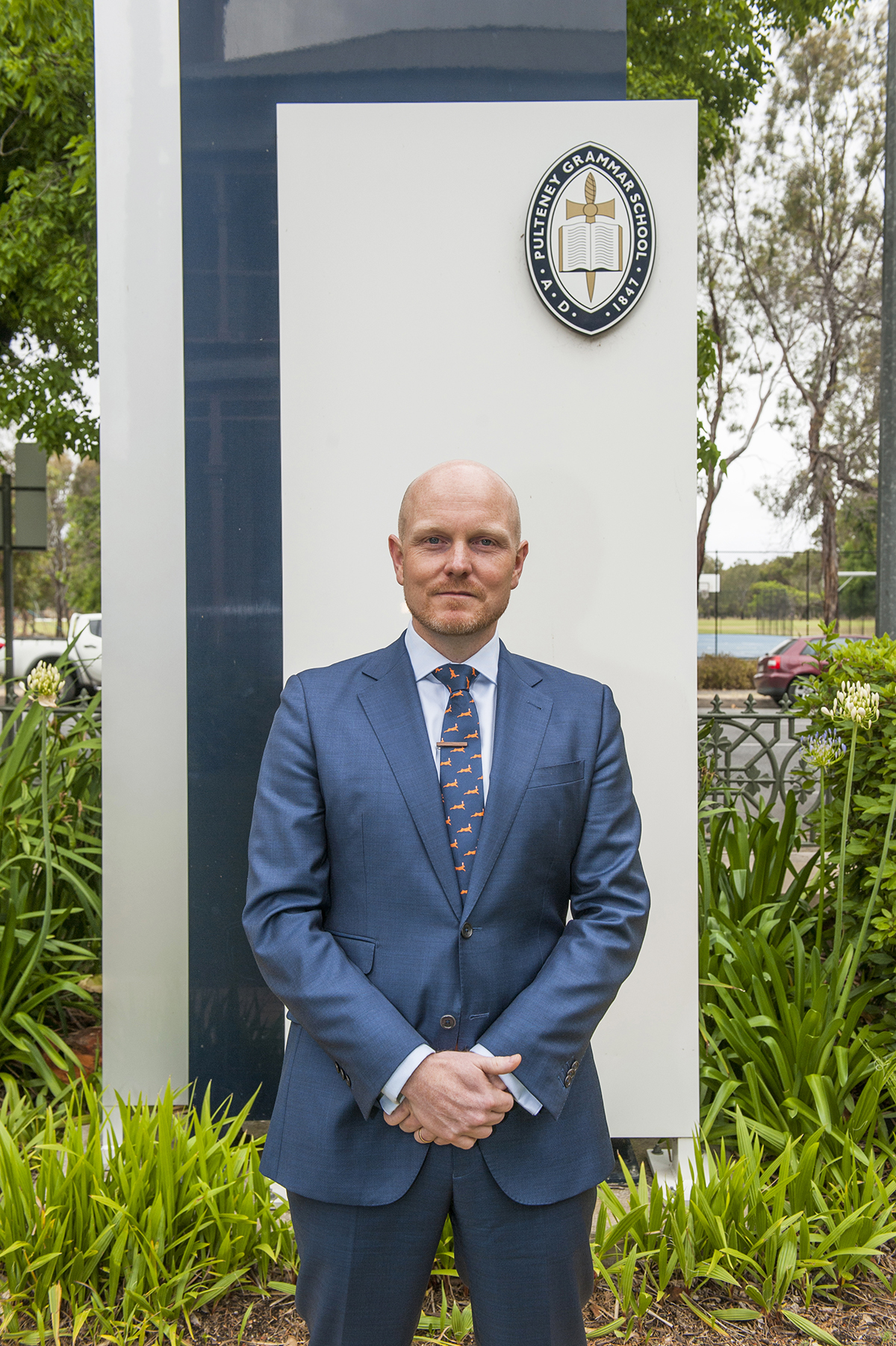
Cameron Bacholer commenced in 2020 as Pulteney Grammar School’s 22nd Principal.
Cameron joins Pulteney from The Knox School in Melbourne, where he was Vice Principal since 2016. In 2019, Mr Bacholer was named by Educator Australia magazine in its ‘Hot List’ top 50 educators. A feature of his approach to education is his commitment to develop colleagues and students through student agency and personalised learning. This approach enables learning through activities meaningful and relevant to the learner, driven by their interests and often initiated by them with appropriate guidance from their teacher.
Mr Bacholer holds a Master of Business (Strategy and Organisational Culture) from the Melbourne Business School along with a Master of Education, a Bachelor of Arts and Bachelor of Teaching, all from The University of Melbourne.
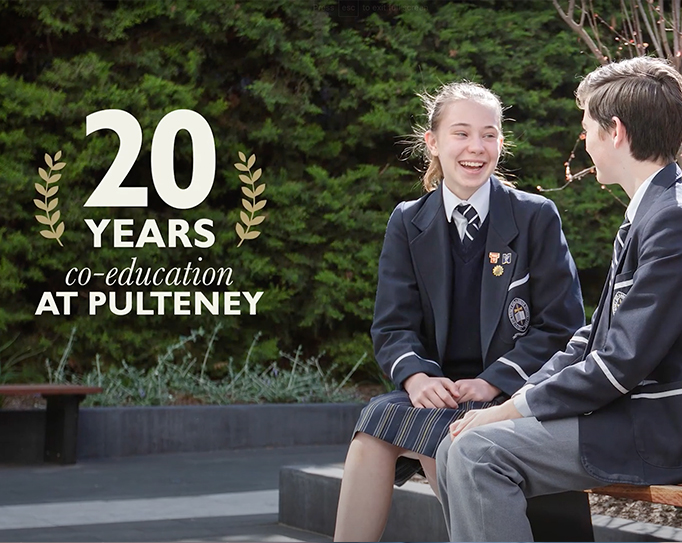
2019 marked an exciting and significant milestone for Pulteney, as the School celebrated the 20th anniversary since the reintroduction of co-education at the school. The School celebrated with various events across the year, with an official recognition of the milestone celebrated at Founders’ Day, on 29 May 2019.
The anniversary also allowed the School to celebrate the incredible advantages that co-education offers girls and boys as they grow to become young women and men.
Watch ‘Celebrating 20 Years of Coeducation at Pulteney Grammar School’ on Youtube
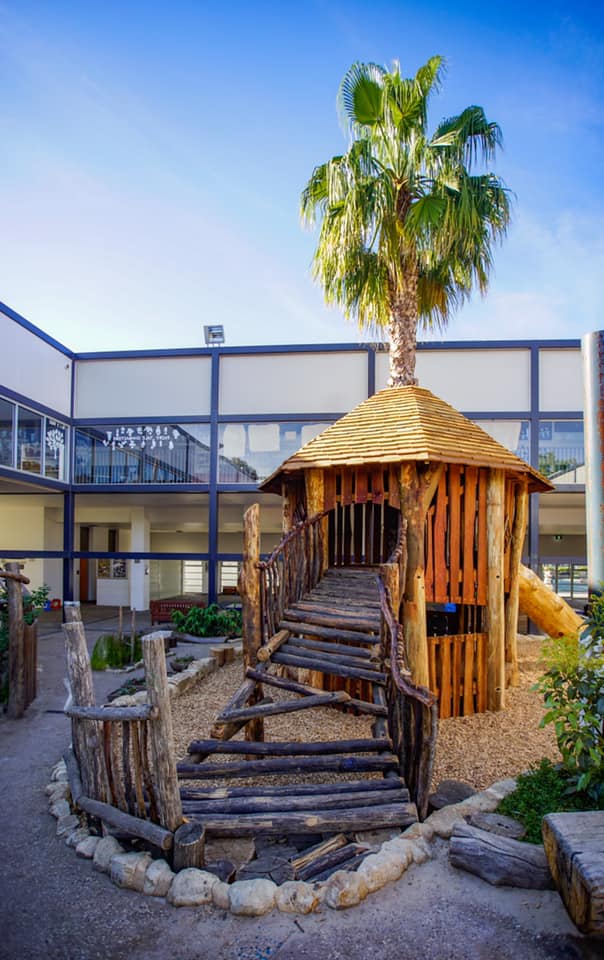
On 7 March 2019, Putleney’s Kurrajong (ELC – Year 2) launched its newly completed Nature Play space.
This beautiful space, which features a wooden slide, tree house, a ‘potions’ area, fairy houses, a mine, herb garden and much more, promotes natural play. Studies have shown that this contributes to the overall physical, cognitive and emotional development of children. Getting outdoors has many benefits, and nature play helps children score higher on tests for concentration and self-discipline, helps them experience more diverse and imaginative play, strive toward advanced motor fitness and become healthier overall.
Image information
Image credit to Climbing Tree
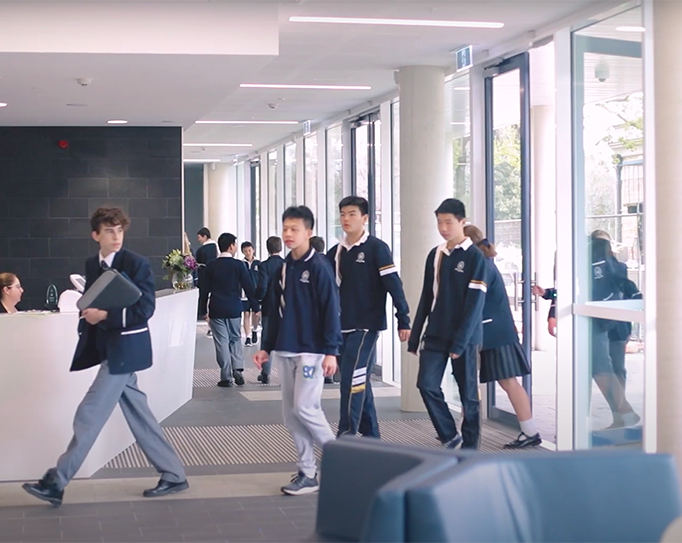
On 7 September 2018, Pulteney’s new Middle School was officially opened by His Excellency the Honourable Hieu Van Le AC, Governor of South Australia.
The new Middle School creates a vibrant, contemporary hub, with leading edge classrooms and technology for Years 7, 8 and 9 at Pulteney, which replaces an outdated, traditional style classroom with a more integrated, modern space that are adaptable and flexible to suit their changing education needs and contemporary learning frameworks. The completion and launch of the new Middle School realises an exciting milestone and stage of Pulteney’s Master Plan.
Watch ‘Pulteney Grammar School’s new Middle School’ on Youtube
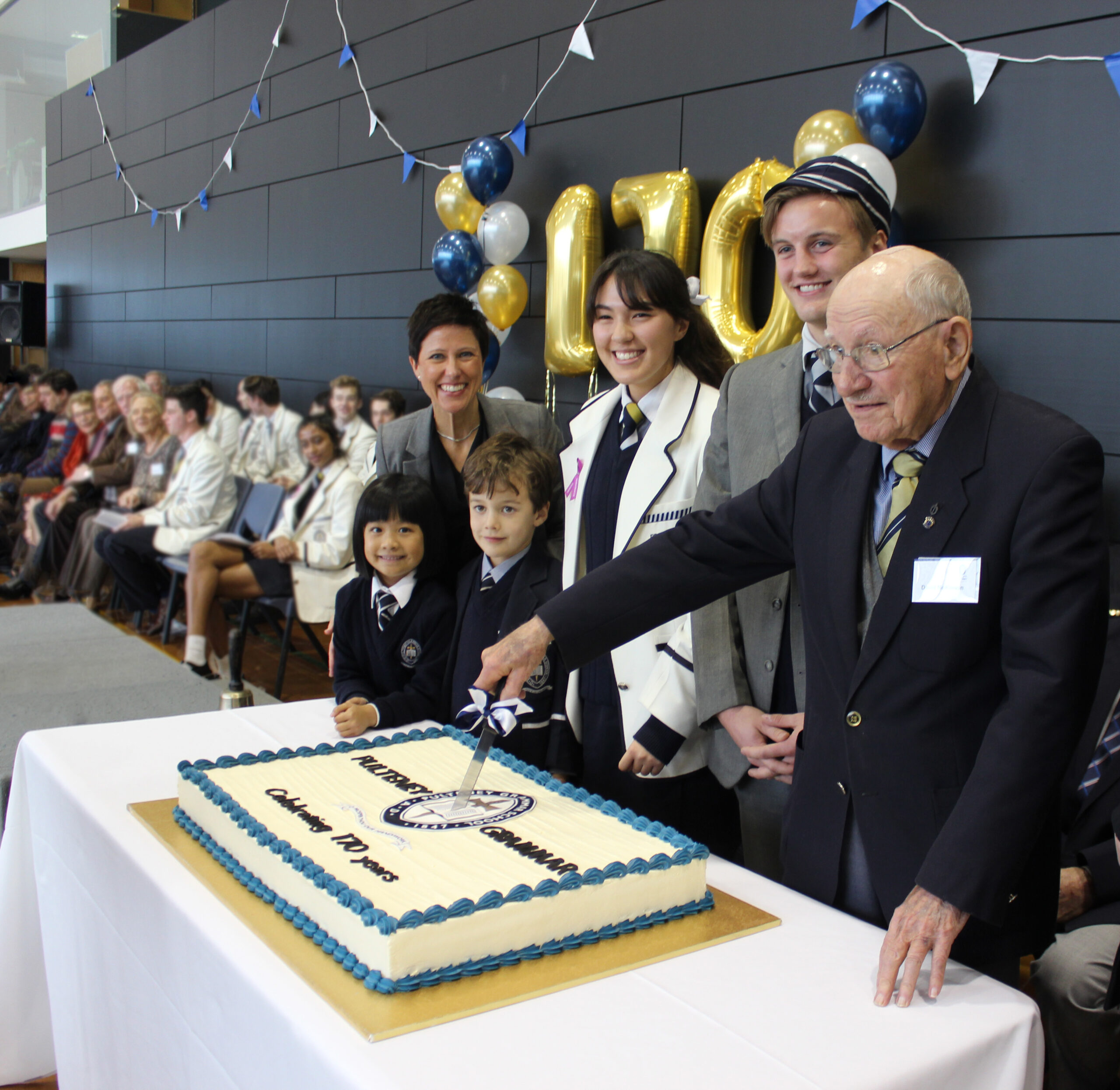
In 2017, Pulteney Grammar School was thrilled to celebrate its 170th anniversary.
As one of the oldest schools in Australia, Pulteney celebrated this significant milestone with a number of events throughout the year, namely a wonderful Founders’ Day service and morning tea, and a black tie ball in August of that year.
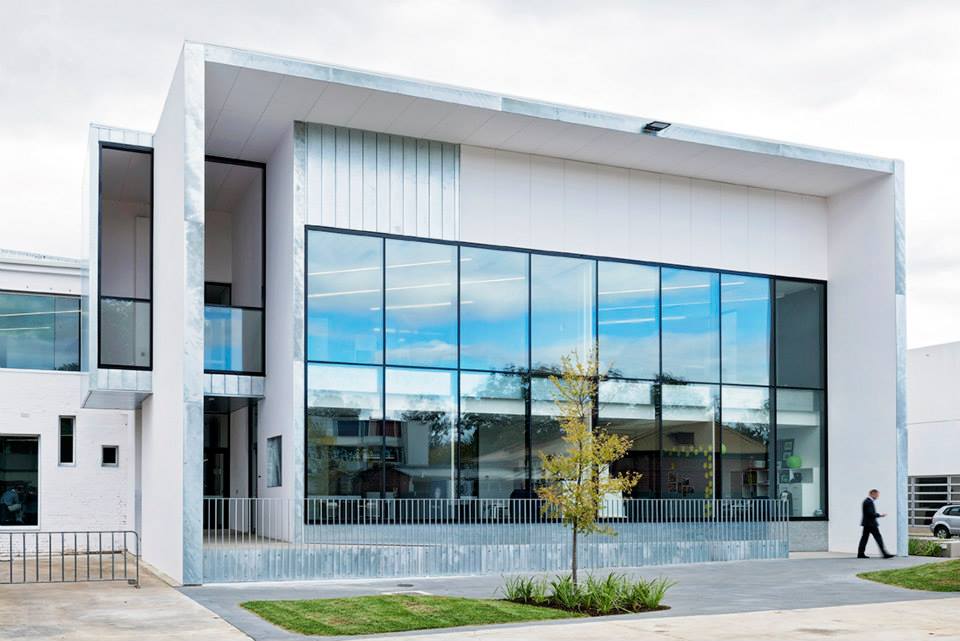
The Official Opening of the Centre for Senior Learning on Tuesday 28 April was a significant moment in the life of our School and our community as it marked another innovation in the ongoing development of the dynamic learning opportunities we provide for our students. We were thrilled to have the Governor of South Australia, His Excellency the Honourable Hieu Van Le and his wife Mrs Lan Le in attendance; they are incredibly proud past parents of Pulteney and their advocacy for our School was evident throughout the Governor’s address to the gathered guests.
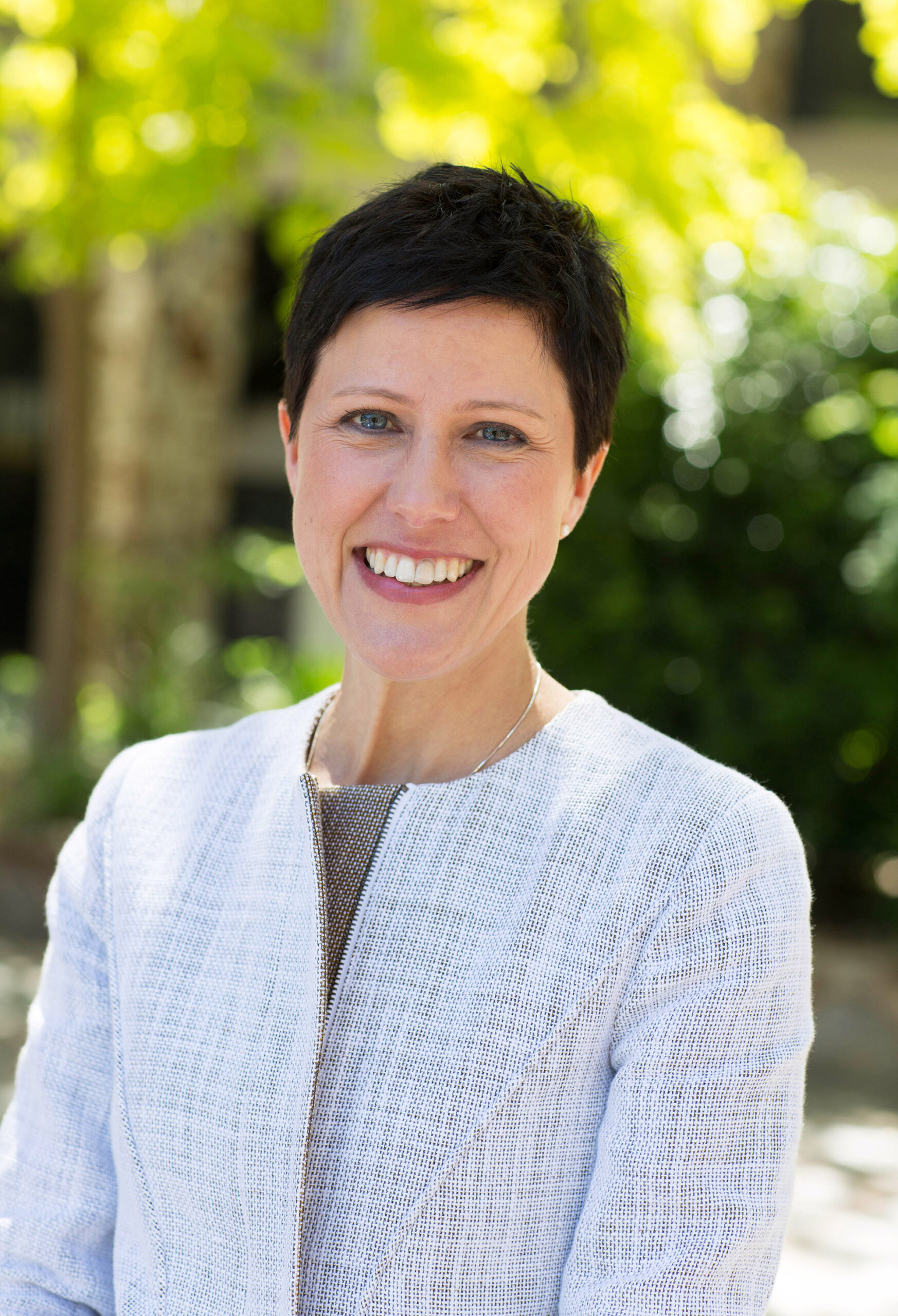
Anne Dunstan commenced in 2014 as the 21st Principal in Pulteney’s 166 year history and is the first woman to lead the School.
Anne was previously the Deputy Principal and Head of Senior School at Scotch Oakburn College, a 1200 student, co-educational school in Launceston.
An Adelaide person originally, Anne held positions of responsibility at St John’s Grammar, Wilderness and Scotch before moving to Tasmania.
Anne Dunstan brings to Pulteney a strong focus on driving teacher and teaching quality, as well as in ensuring improved student outcomes.

Pulteney’s affiliation with Nepal began in 2012 when a group of students visited Blue Sky School and Dalit Women’s Uplift Centre Orphanage. In 2013 a party including 14 students traveled to Nepal. They were welcomed at Blue Sky Public High School and later travelled to the Nepal Dalit Mahila Utthan Kendra Children’s Orphanage where they were met by 70 orphans and Mother Rajan. They were involved in the laying of the foundation stone for the new school next to the orphanage, which Pulteney was able to fund.
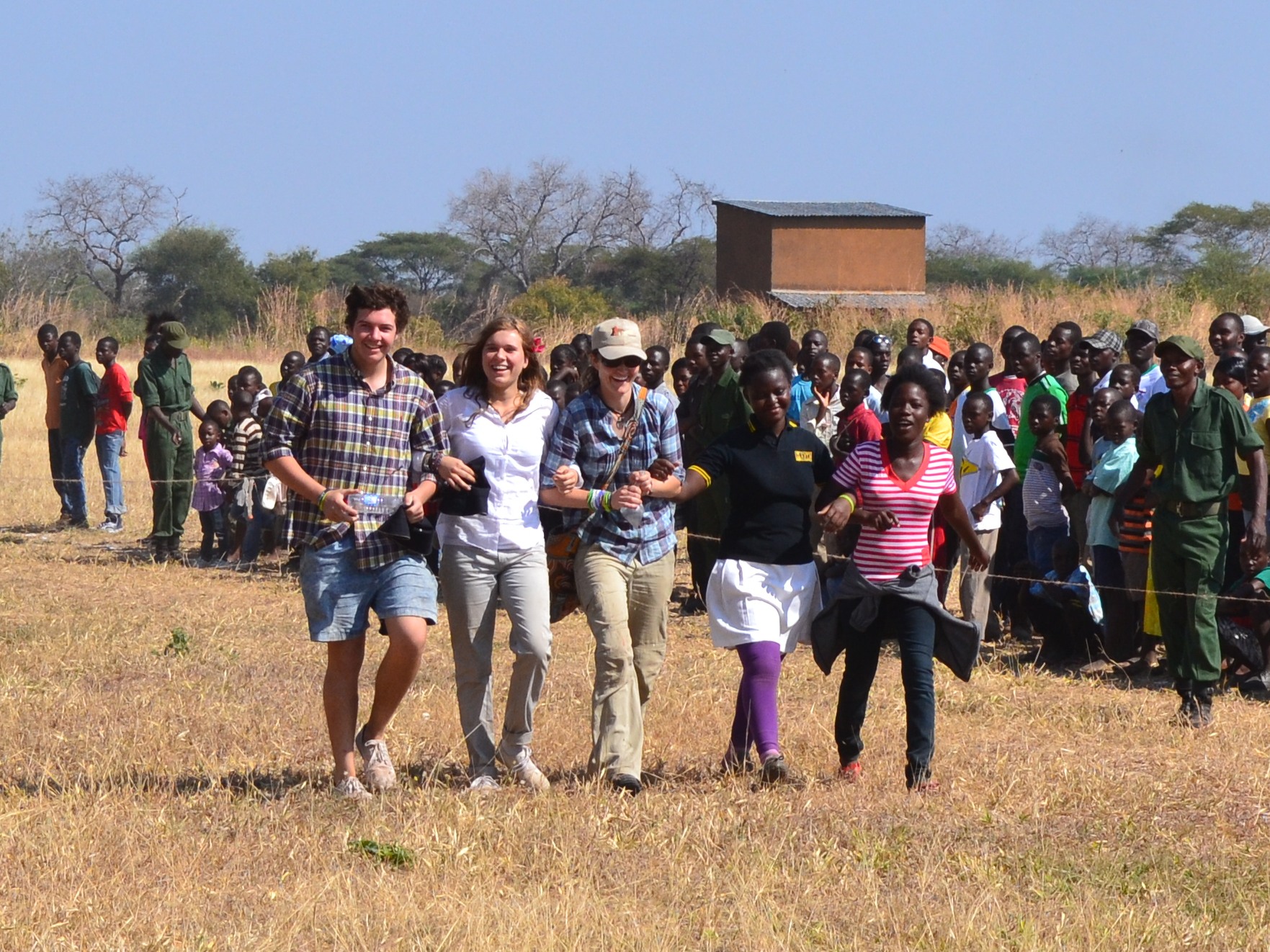
In partnership with ZoosSA and Zambia’s Chipembele Wildlife Education trust Pulteney’s Conservation Corps students travelled to Zambia to participate in hands on conservation activities and programs and building transferable skills in conservation and leadership.
In April 2014 Chipembele Conservation Club students were hosted on a return visit to Adelaide.
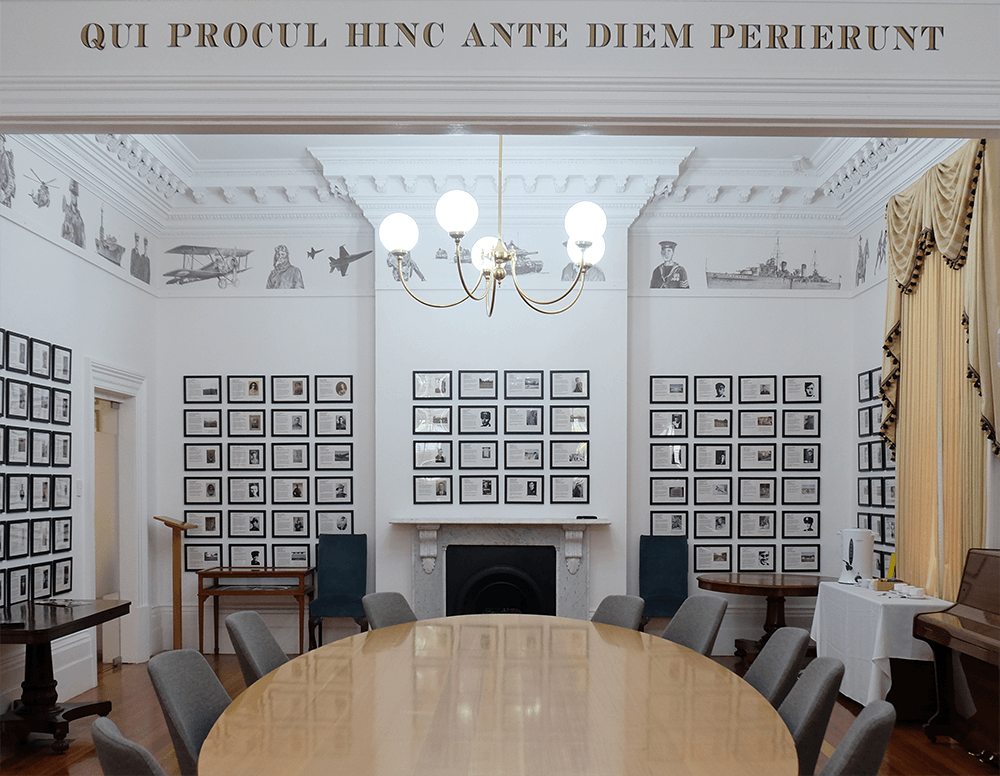
The Pulteney War Memorial Room houses the WWI and WWII honour rolls and a collection of artefacts from all wars. It also houses individual framed tributes to Pulteney Old Scholars killed at war between the Boer War and Afghanistan.
The Queens Room houses the Queen’s WWII honor roll and the Queens Archival Collection. When Queens College closed in 1949 many students came to Pulteney. The link with Pulteney grew with the establishment of the Queens War Memorial Scholarship with funds donated by Queens Old Boys. The room honours the memory of Queen’s Old Scholars.
